Tips for Balancing Privacy and Collaboration in Open Offices
An office’s design directly impacts productivity, morale, and innovation. The modern open-plan office is celebrated for fostering communication and a sense of community, but it also presents a challenge: balancing collaboration with individual privacy.
While spontaneous interactions can spark ideas, constant noise and a lack of personal space can hinder deep, focused work. Achieving the right balance is essential to unlock your team’s full potential and drive business success.
Creating an environment that supports teamwork without sacrificing concentration requires intentional design. The key lies in offering a variety of spaces that accommodate different work styles, allowing employees to choose what best fits their needs.
Create a Variety of Workspaces
A one-size-fits-all approach no longer serves the diverse needs of today’s workforce. Offices should provide multiple workspace types to support both collaborative and individual tasks.
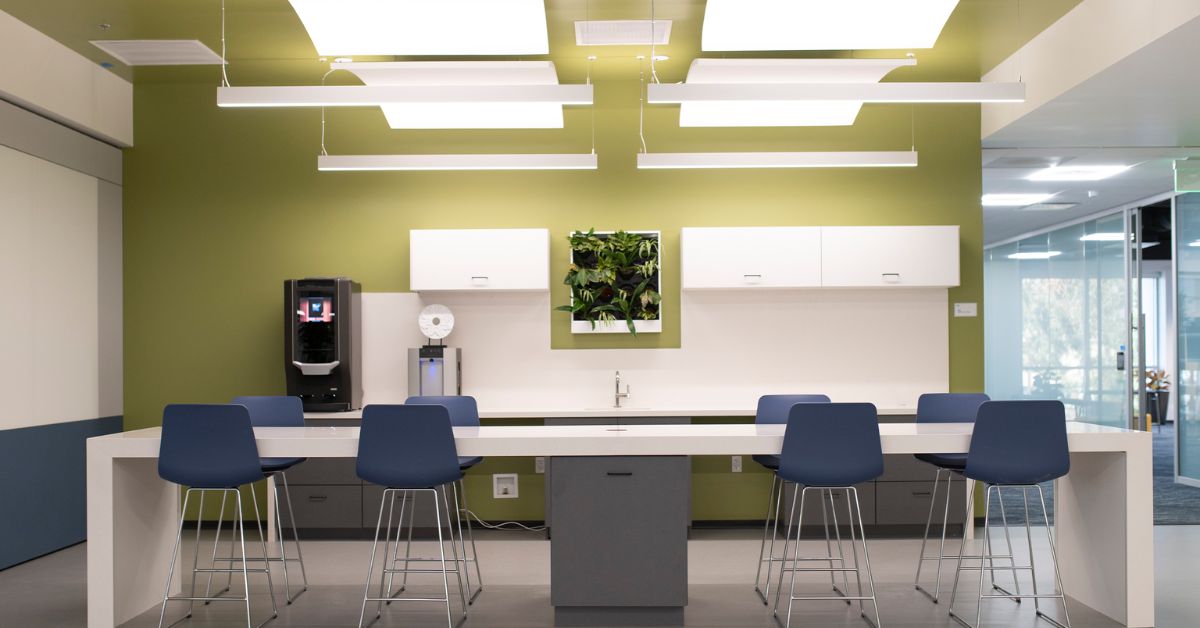
This can include open areas with shared tables for brainstorming, semi-enclosed pods for small group discussions, and quiet zones for deep concentration. Flexibility empowers employees to select environments that align with their tasks throughout the day.
Designate Quiet Zones
Quiet zones offer a sanctuary for focused work. These spaces should be free from visual and auditory distractions, with clear policies prohibiting phone calls and conversations.
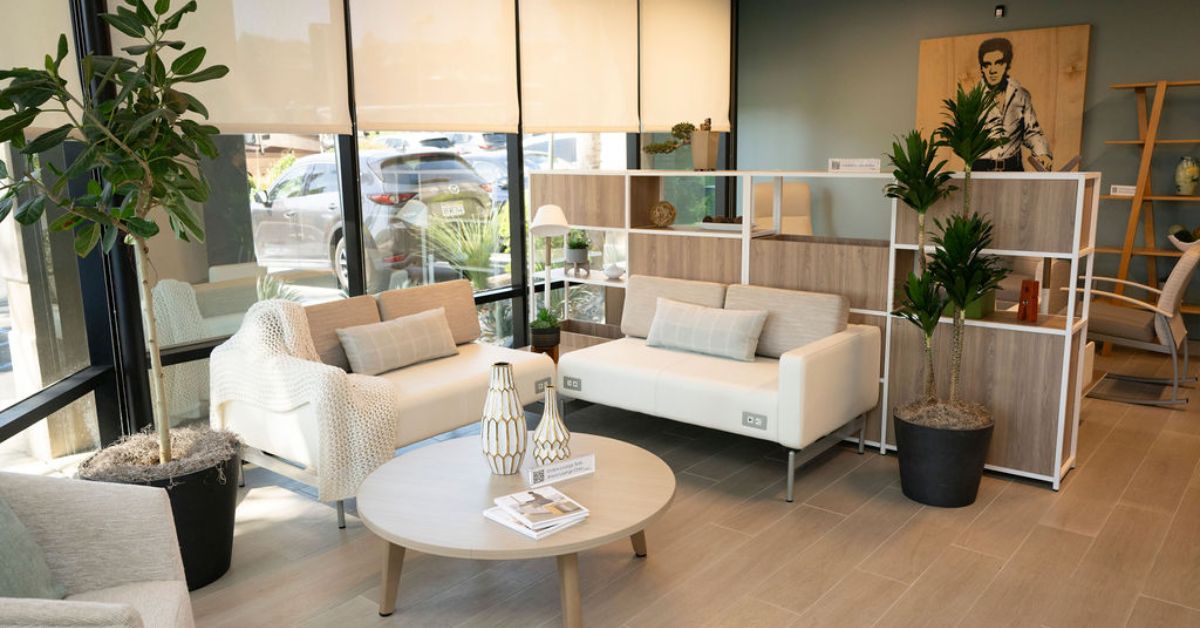
Clearly mark quiet areas and furnish them with comfortable seating and adequate lighting. This signals respect for employees’ need for concentration and supports productivity across work styles.
Implement Acoustic Solutions
Noise is one of the most common challenges in open offices. Uncontrolled sound can disrupt focus and increase stress.
Address this by installing sound-absorbing ceiling baffles, wall panels, carpets, and soft furnishings. Acoustic dividers between desks can also reduce ambient noise while providing a sense of personal space.
Introduce Private Pods and Phone Booths
Some tasks require confidentiality or uninterrupted focus. Private pods and phone booths offer enclosed spaces for sensitive calls, video conferences, or concentrated work.
These units are a cost-effective way to add privacy without major construction. Place them strategically throughout the office to ensure easy access for all employees.
Utilize Flexible Furniture
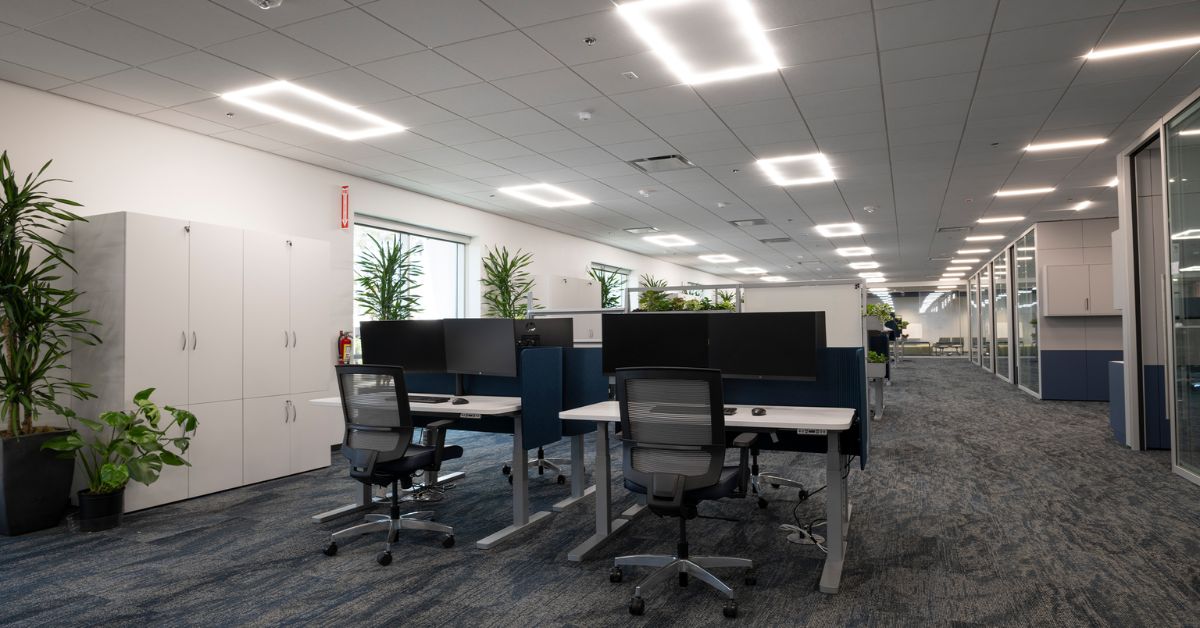
Modern furniture solutions support adaptability. Mobile whiteboards, modular seating, and height-adjustable desks allow teams to reconfigure spaces as needed.
Flexible furniture gives employees greater control over their environment, supporting collaboration while preserving autonomy and focus.
Establish Clear Office Etiquette
Clear office etiquette is essential for maintaining balance in open environments. Establish guidelines such as using headphones for audio, taking calls in designated areas, and being mindful of conversation volume.
Shared expectations reduce disruptions and foster a respectful, productive workplace culture.
Maximize Natural Light and Greenery
Natural light improves mood and reduces eye strain, while plants contribute to a calming atmosphere. Together, they make open offices feel more spacious and welcoming.
A pleasant physical environment supports well-being, focus, and long-term employee satisfaction.
Leverage Technology for Collaboration
Digital collaboration tools such as instant messaging, project management platforms, and shared documents reduce the need for constant physical interaction.
These tools enable seamless teamwork while minimizing noise and interruptions in open-plan spaces.
Gather Employee Feedback Regularly
Employees provide valuable insight into how office layouts function day to day. Gather feedback through surveys, focus groups, or informal conversations.
Acting on this feedback demonstrates commitment to continuous improvement and helps refine the workspace as needs evolve.
Emphasize Wellness in Your Design
Wellness-focused offices support engagement and performance. Incorporate ergonomic furniture, standing desks, and dedicated wellness spaces.
Features such as meditation rooms or stretching areas allow employees to recharge, contributing to healthier and more productive teams.
Designing a Balanced Office
Balancing privacy and collaboration requires thoughtful design and intentional policies. Provide a mix of spaces, manage acoustics, and promote mutual respect to support every type of work.
Ready to transform your workspace? Contact BlueSpace Interiors today to schedule a consultation. Our tailored workplace furniture solutions can help you achieve the ideal balance and unlock your office’s full potential.
Ready to find your "blue space"?
Contact bluespace interiors today to schedule a consultation and transform your workplace!