Furniture Layouts That Improve Workflow in Clinics
Medical clinics face unique challenges in workspace design. Every square foot must support patient care, staff productivity, and operational success. The right furniture arrangement creates clear pathways, reduces wait times, and enhances the patient experience.
Modern healthcare facilities must balance functionality with comfort so that patients and staff feel at ease. Effective clinic design supports healing, reduces stress, and facilitates smooth operations. Below are key furniture layout strategies that improve workflow in clinics.
Welcoming Reception Areas
The reception area sets the tone for the entire patient experience. Position the reception desk to provide clear sightlines across the waiting area while maintaining privacy during check-in conversations.
Arrange seating in small clusters rather than rows to create a welcoming atmosphere and allow for social distancing when needed. A dual-zone layout works well, with a quiet area for patients who prefer minimal interaction and a more social area for those comfortable with conversation.
Built-in charging stations within seating areas reduce clutter, while integrated reception storage keeps forms and supplies organized and easily accessible.
Patient-Focused Exam Rooms
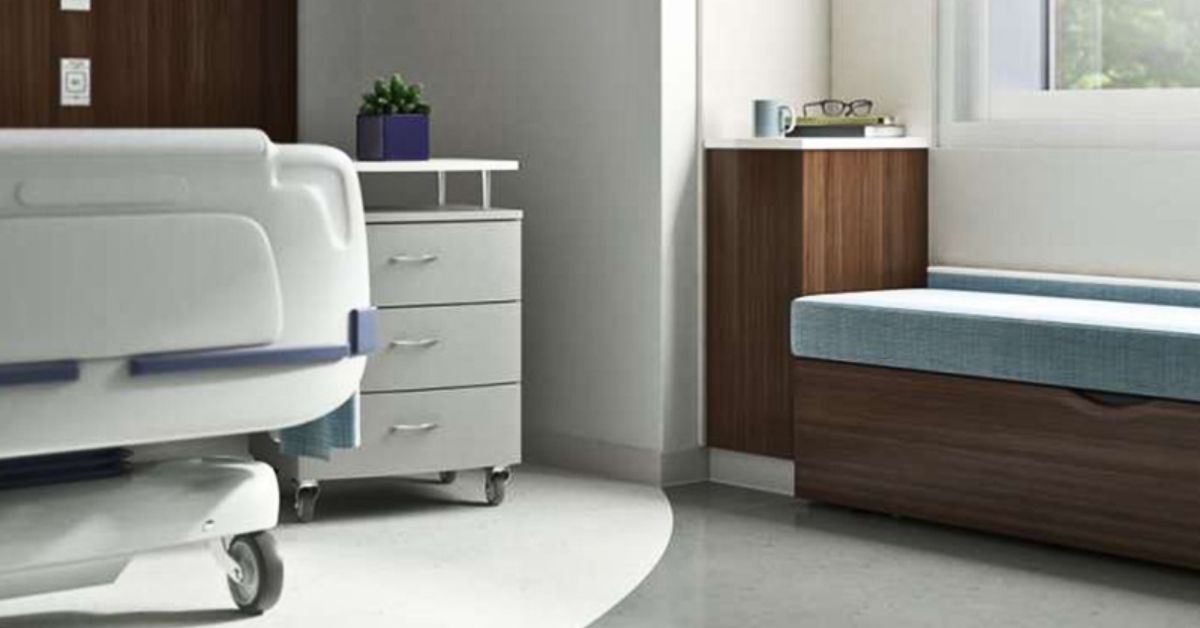
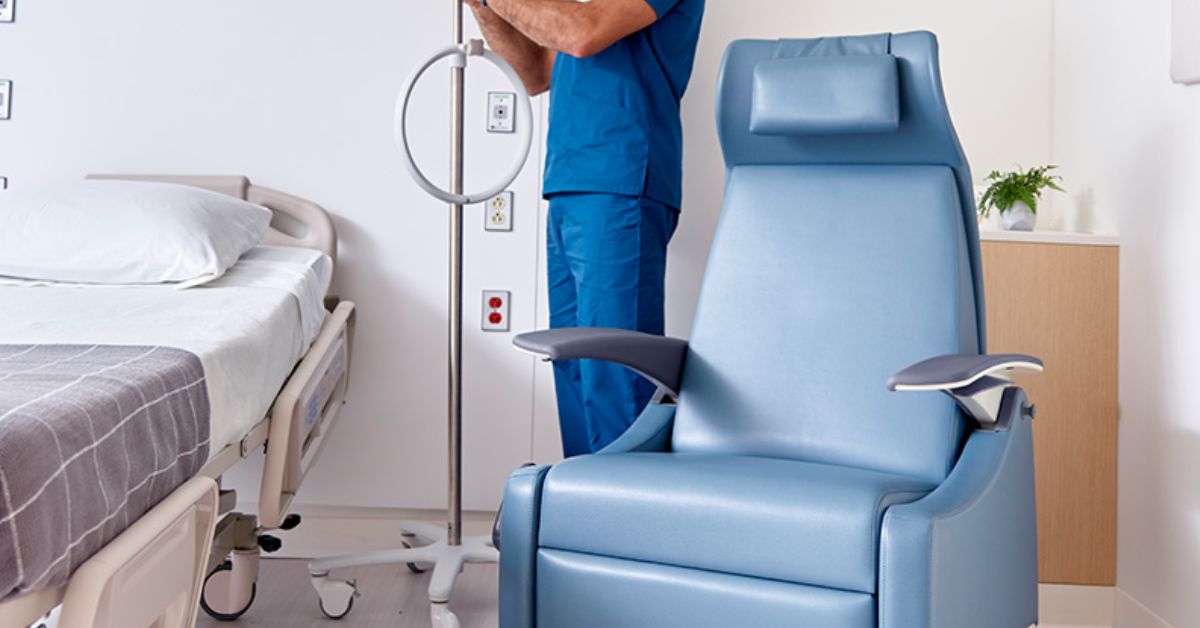
Examination rooms require precise furniture placement to support clinical workflows. Position exam tables to allow access from both sides while maintaining patient comfort and dignity.
Provider seating should facilitate natural conversation without creating physical barriers. Wall-mounted storage and mobile carts keep supplies within reach while preserving valuable floor space.
Computer workstations should be positioned so providers can document care while maintaining eye contact with patients, reinforcing connection and trust.
Comfortable Waiting Areas
Thoughtful waiting area design reduces perceived wait times and improves patient satisfaction. Provide a mix of seating options, including individual chairs, family groupings, and accessible seating.
- Clear pathways for wheelchairs and mobility devices
- Seating away from restrooms, exits, and high-traffic zones
- Side tables within reach for personal items and beverages
- Sound-absorbing materials to enhance privacy
- Balanced natural light with glare control
Modular seating systems allow clinics to adapt layouts throughout the day based on patient volume while maintaining a cohesive design.
Productive Staff Work Areas and Relaxing Break Rooms
Staff work areas should support both individual focus and collaboration. Ergonomic furniture reduces strain during long shifts, while proper monitor height and adjustable seating improve comfort and productivity.
Strategic placement of staff workstations minimizes unnecessary steps and ensures quick responses to patient needs while preserving separation between public and private zones.
Creating Comfortable Break Spaces
Break rooms provide essential recovery spaces for healthcare professionals. Arrange furniture to support social interaction and quiet relaxation, with appropriate lighting and secure storage for personal items.
Technology Integration
Modern clinics depend on technology, and furniture layouts must support it seamlessly. Plan for adequate outlets, cable management, and equipment storage that doesn’t interfere with movement or patient care.
Mobile, flexible furniture allows clinics to adapt as technology evolves. Built-in charging and wireless solutions reduce visual clutter while maintaining full functionality.
Telemedicine-Friendly Design
Telemedicine-ready rooms require thoughtful positioning of cameras, monitors, and lighting to support professional virtual consultations without compromising in-person care.
Pediatric-Friendly Clinic Designs
Clinics serving families should include child-friendly elements such as child-sized seating, calming colors, and interactive features that reduce anxiety and keep children engaged.
Adjustable furniture, easy-to-clean surfaces, and thoughtful spatial planning ensure safety, efficiency, and comfort for both children and caregivers.
Partnering With Professionals
Working with an experienced healthcare furniture dealer ensures compliance with regulations, infection control standards, and evidence-based design principles.
Professional planners consider traffic patterns, cleaning protocols, and future growth, helping clinics avoid costly mistakes and maximize long-term value.
Transform Your Clinic Today
Thoughtful furniture layouts improve patient experiences and staff efficiency while supporting long-term operational success.
Ready to optimize your clinic’s workflow? Contact BlueSpace Interiors today to schedule a consultation and transform your healthcare facility into a more efficient, comfortable, and successful practice.
Ready to find your "blue space"?
Contact bluespace interiors today to schedule a consultation and transform your workplace!