Integrating Technology Seamlessly Into Furniture
Technology integration has become essential in modern library design. Users expect access to power, connectivity, and digital tools without disruption. Furniture now incorporates these elements directly, eliminating the need for visible cables or awkward setups.
Tables with built-in power outlets and USB ports support device use without clutter. Charging stations integrated into seating areas encourage users to remain engaged without worrying about battery life. This seamless integration enhances functionality while maintaining a clean, organized aesthetic.
In collaborative zones, furniture supports shared technology use. Tables designed for group work often accommodate screens or device sharing, making it easier for teams to interact and exchange ideas. This alignment between furniture and technology ensures that libraries remain relevant in a digital-first world.
Supporting Collaboration Without Sacrificing Quiet Spaces
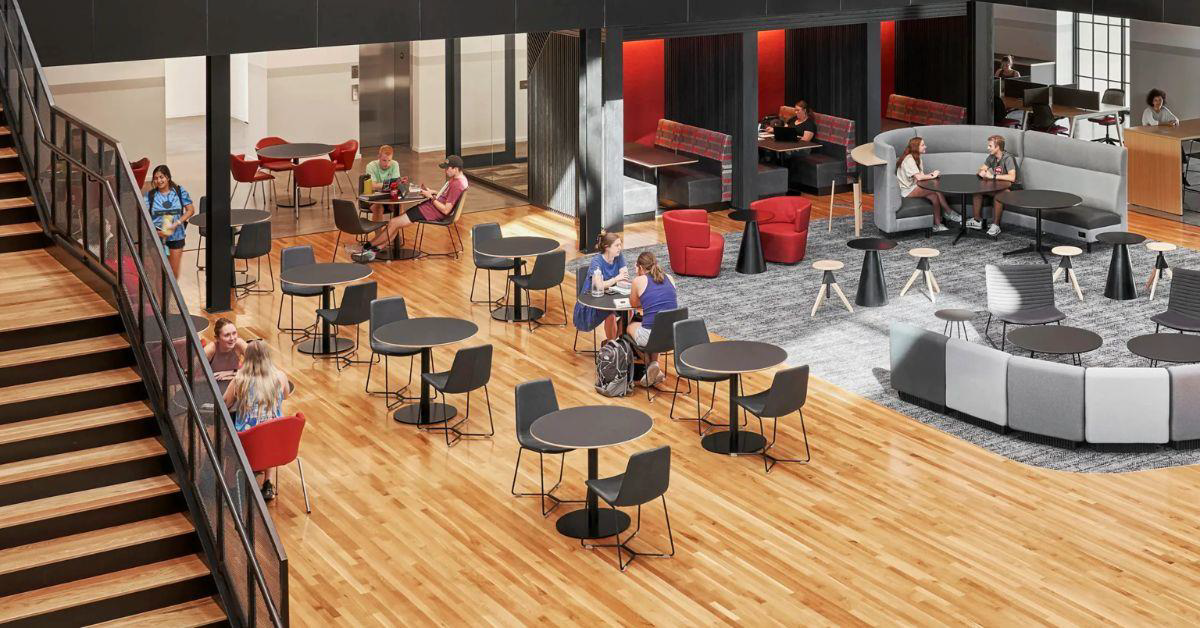
One of the biggest challenges in library design is balancing collaboration with quiet study. Furniture innovations help define zones without requiring permanent walls or rigid separations. Through strategic placement and design, spaces can naturally guide behavior.
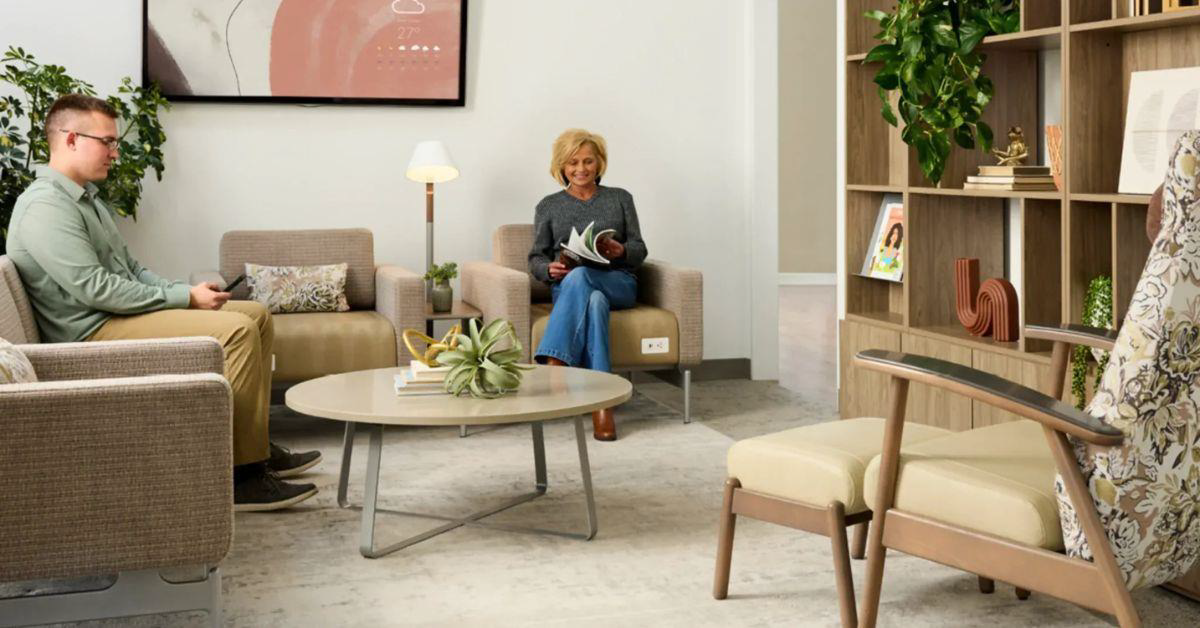
Collaborative areas often feature larger tables, flexible seating, and open layouts that encourage interaction. These spaces feel energetic and accessible, inviting users to engage with one another. In contrast, quiet zones incorporate more enclosed seating, higher-backed chairs, and softer materials that signal a need for focus.
Furniture becomes a tool for shaping user expectations. Without explicit signage, individuals understand how to use each space based on its design. This subtle guidance improves the overall experience and reduces conflict between different types of users.
Prioritizing Accessibility and Inclusivity
Inclusive design is no longer optional; it is a core requirement for public spaces. Furniture must accommodate users of all ages, abilities, and backgrounds. This includes ensuring that seating, tables, and layouts are accessible and easy to navigate.
Height-adjustable tables allow users to customize their workspace, supporting both seated and standing positions. Wider pathways between furniture pieces ensure that individuals using mobility devices can move comfortably throughout the space. Seating with varied heights and support levels accommodates different physical needs.
Inclusivity also extends to sensory considerations. Some users benefit from quieter, more enclosed seating options, while others prefer open and social environments. By offering a range of choices, libraries create spaces that feel welcoming to everyone.
Embracing Sustainable Materials and Practices
Sustainability has become a key driver in furniture innovation. Libraries increasingly prioritize environmentally responsible materials and manufacturing processes. This shift reflects both community values and long-term operational considerations.
Furniture made from recycled or renewable materials reduces environmental impact while maintaining durability and performance. Designers select finishes and fabrics for longevity, which reduces the need for frequent replacement. This approach supports both sustainability goals and budget efficiency.
Designers also consider the lifecycle of furniture. Pieces that can be reconfigured, repaired, or repurposed extend their usefulness over time. This mindset aligns with the broader goal of creating adaptable, future-ready library environments.
Creating Visually Inspiring and Community-Centered Spaces
Aesthetics play a powerful role in how users perceive and engage with a library. Furniture contributes significantly to the overall look and feel of a space, influencing whether it feels modern, welcoming, and relevant.
Contemporary designs often incorporate clean lines, neutral palettes, and subtle accents that complement architectural elements. At the same time, bold colors or unique furniture pieces can create focal points that energize the environment. These visual elements help libraries feel less institutional and more community-oriented.
Furniture also supports branding and identity. Libraries increasingly position themselves as hubs for learning, creativity, and connection. Thoughtfully designed furnishings reinforce this identity, making spaces feel intentional and aligned with their purpose.
Planning for Future Adaptability
The pace of change in how people use libraries continues to accelerate. Furniture must not only meet current needs but also anticipate future demands. This requires a forward-thinking approach that prioritizes adaptability and scalability.
Systems that allow for easy expansion or reconfiguration ensure that spaces can evolve without major disruptions. Furniture that supports both individual and group use provides flexibility as usage patterns shift. By investing in adaptable solutions, libraries can remain relevant over time.
Designers and decision-makers must consider long-term functionality rather than short-term fixes. This strategic perspective ensures that furniture investments deliver lasting value and support ongoing innovation.
Elevating Library Spaces Through Thoughtful Design
The evolution of libraries depends heavily on how well their physical environments support changing user needs. The most effective furniture innovations for libraries and public reading rooms combine flexibility, comfort, technology, and inclusivity to create spaces that truly serve their communities. As expectations continue to grow, furniture will remain a critical element in shaping engaging and future-ready environments.
At bluespace interiors, we understand the impact that thoughtfully designed furniture can have on shared spaces. As a commercial furniture dealer, we partner with organizations to create environments that are both functional and inspiring. Our approach focuses on aligning furniture solutions with the unique goals of each space, ensuring that every design supports productivity, comfort, and connection. Connect with us to start designing a library space that not only meets today’s needs but evolves with your community.