How Furniture Layouts Can Impact Workflow
Your furniture layout serves as the foundation for workplace efficiency. It determines whether teams collaborate naturally or struggle to connect. It influences whether employees concentrate deeply or face constant interruptions. The strategic placement of workstations, meeting areas, and quiet zones can transform how your organization operates, directly impacting your bottom line through improved workflow patterns.
Understanding these spatial dynamics allows you to create an environment that supports your business objectives while enhancing employee satisfaction and performance.
Choosing Open Floor Plans
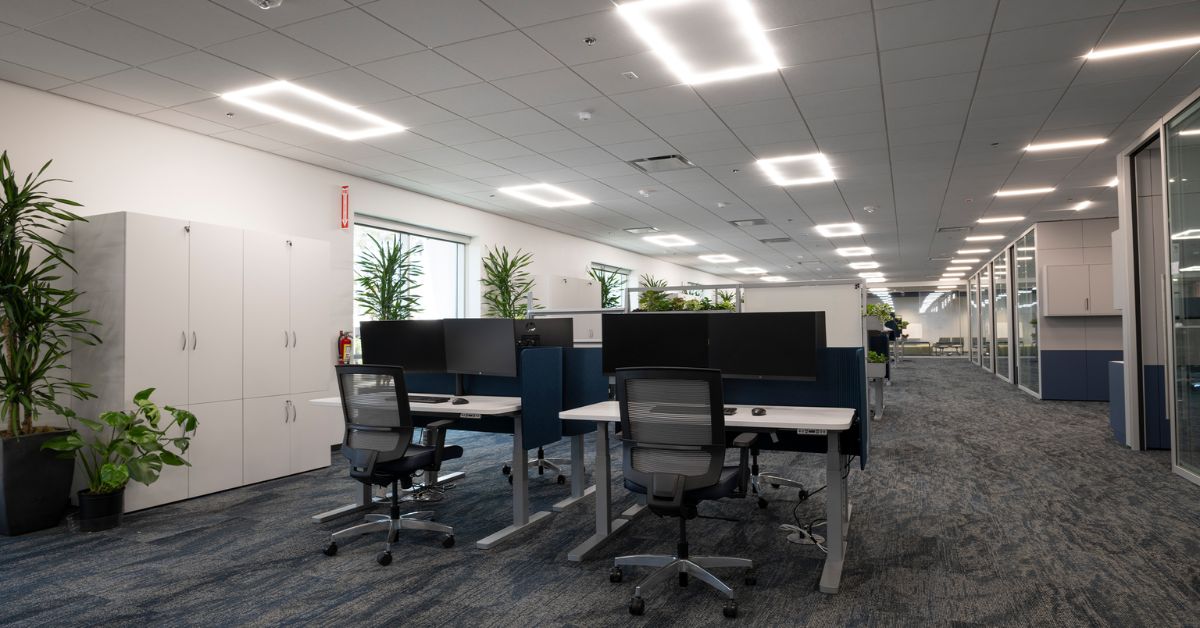
Open office layouts have gained popularity among companies seeking to break down traditional barriers and foster better communication. This approach removes physical walls between workstations, creating expansive shared spaces where employees work side by side.
Greater Collaboration
Open floor plans excel at facilitating spontaneous conversations and cross-departmental interactions. When team members can see and easily approach one another, they share information more freely and solve problems collectively. Project managers can quickly check in with designers, while developers can immediately consult with quality assurance specialists when questions arise.
You’ll notice increased transparency in daily operations as managers can observe workflow patterns and identify bottlenecks more readily. Teams develop stronger working relationships when they share the same physical space, leading to improved project coordination and faster decision-making processes.
Providing Private Offices
Traditional private offices offer a different approach to workplace organization, giving individual employees dedicated enclosed spaces for their daily work.
Focused Workflow
Private offices shield employees from the distractions that plague open environments, enabling deep focus on complex projects. Employees can control their immediate environment, adjusting lighting, temperature, and noise levels to match their preferences and work requirements.
You’ll find that employees in private offices experience fewer interruptions and can engage in phone conversations or video conferences without concern for disturbing others. This setup particularly benefits roles that require confidential discussions, detailed analysis, or creative thinking that demands sustained concentration.
Separating Furniture Into Zones
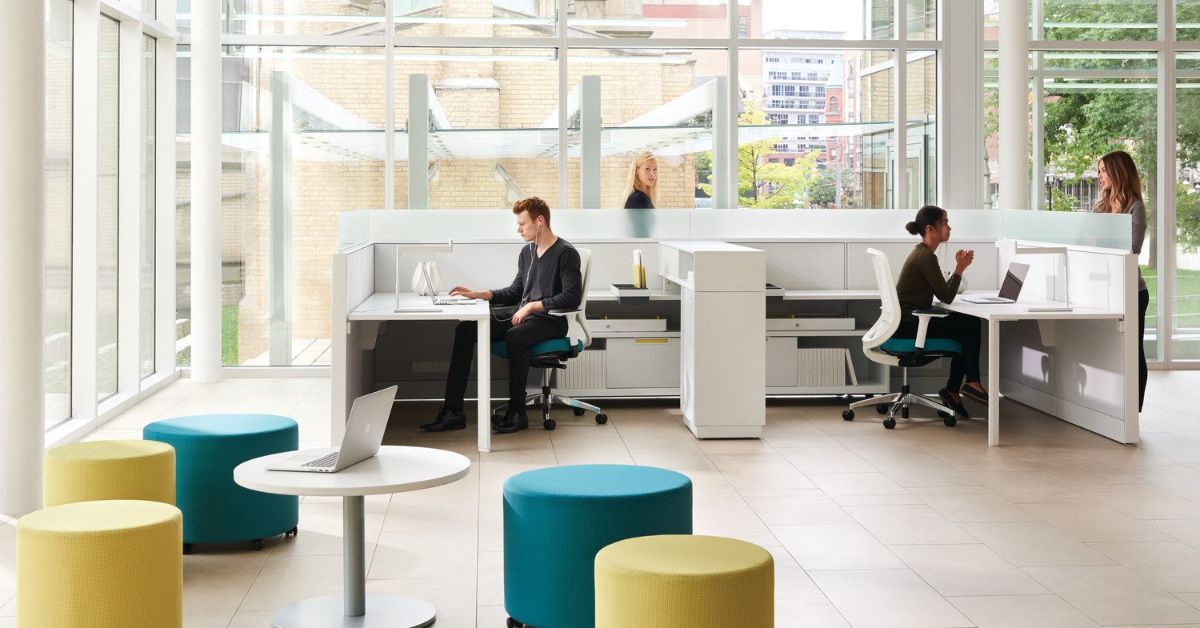
Both furniture layouts can impact workflow in different ways. Rather than committing entirely to open or closed layouts, many organizations discover success through zoned approaches.
Quiet Areas
Designated quiet zones provide employees with spaces for focused work without requiring permanent private offices. These areas feature comfortable seating, minimal foot traffic, and sound-dampening materials that create natural barriers against distractions.
Employees know they can retreat to these spaces when they need to concentrate on detailed tasks, prepare for presentations, or complete work that requires sustained attention.
Meeting Spaces
Collaborative zones equipped with conference tables, whiteboards, and presentation technology give teams dedicated areas for brainstorming, project planning, and group discussions. These spaces keep collaborative work from disrupting others while providing teams with the tools they need for effective meetings.
Strategic placement of these meeting areas away from quiet zones ensures that group discussions don’t interfere with individual focused work. You can vary the size and configuration of these spaces to accommodate different types of meetings, such as small team huddles and larger departmental gatherings.
Office PODs
Office PODs offer a versatile solution for creating functional zones within your workspace. These self-contained units provide employees with quiet spaces to focus on detailed tasks or make private calls without the need for permanent private offices. Their sound-dampening materials and modern design ensure minimal distractions, allowing employees to concentrate fully on their work.
In addition to supporting individual focus, office PODs serve as flexible meeting spaces when traditional conference rooms are unavailable. Their modular design integrates seamlessly into existing layouts, offering a convenient option for small group discussions or brainstorming sessions. By incorporating PODs into your office, you can enhance both individual productivity and team collaboration while maintaining a dynamic and adaptable workspace.
Moving Clients Through the Workspace
Beyond internal workflow considerations, your furniture layout plays a crucial role in managing client and visitor experiences when they enter your workplace.
Welcoming Entrance
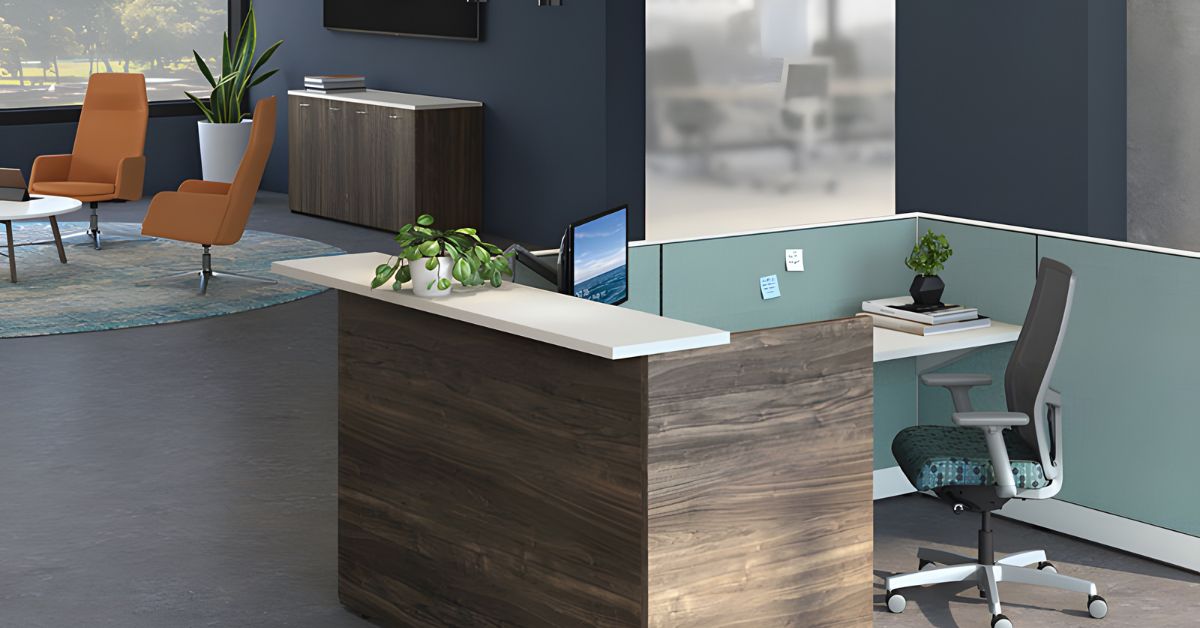
Your reception area sets the tone for client relationships and business partnerships. Comfortable seating arrangements, clear sight lines to reception staff, and professional aesthetics create positive first impressions that support business development efforts.
Strategic furniture placement in entrance areas can guide visitor flow naturally while ensuring privacy for ongoing business operations.
Clear Navigation
Once clients move beyond reception areas, intuitive pathways become essential for maintaining professional experiences. Furniture arrangements should create obvious routes to meeting rooms and conference areas without requiring visitors to navigate through active work zones.
You can establish these pathways through strategic placement of desks, filing cabinets, and other furniture that creates natural corridors. Clear sight lines to meeting room entrances and consistent signage help visitors navigate confidently without interrupting employee workflow.
Privacy for Discussions
Client meeting spaces require careful consideration of both acoustic privacy and visual separation from general work areas. Conference room placement away from high-traffic zones ensures confidential discussions remain private while preventing meeting disruptions.
Sound-dampening furniture and materials in and around meeting spaces protect sensitive client information while maintaining professional atmospheres conducive to business discussions. Glass conference rooms may require strategic placement of plants or decorative elements to provide visual privacy when needed.
Boosting Employee Engagement
Another way that furniture layouts can impact workflow is through psychology. The physical workplace environment directly influences employee satisfaction, retention, and overall engagement with their work and organization. It just takes the right qualities in design.
Motivating Aesthetics
Professional, well-designed furniture arrangements communicate organizational values and investment in employee experience. Modern, comfortable furniture suggests that leadership values employee wellbeing and maintains high standards for the workplace environment.
Consistent design themes and quality furniture pieces create cohesive professional atmospheres that employees feel proud to work in and show to clients or visitors.
Comfortable Workplace
Physical comfort directly impacts productivity and job satisfaction. Ergonomic chairs, appropriately sized desks, and well-planned storage solutions enable employees to work efficiently without physical strain or frustration with their immediate environment.
Temperature control, lighting options, and noise management through strategic furniture placement contribute to overall comfort levels that affect daily performance. When employees feel physically comfortable in their workspace, they can focus entirely on their professional responsibilities.
Transform Your Workspace Strategy
Your furniture layout represents one of the most powerful tools for shaping organizational performance and culture. Each arrangement decision creates ripple effects that influence collaboration patterns, productivity levels, and employee satisfaction for months or years to come.
Start by evaluating your current space through the lens of workflow efficiency and employee needs. Consider how different zones might serve various work styles while supporting your business objectives. Remember that the best office layouts evolve with your organization, adapting to changing team sizes, project requirements, and business goals.
At bluespace interiors, we understand that effective workplace design requires more than just attractive furniture. As an experienced office furniture dealer, we help organizations create environments that truly support their operational goals and employee needs. Contact us to discuss how strategic furniture planning can transform your workplace into a competitive advantage.