
Sustainable Furniture Choices for Public Sector Projects

Sustainable Furniture Choices for Public Sector Projects
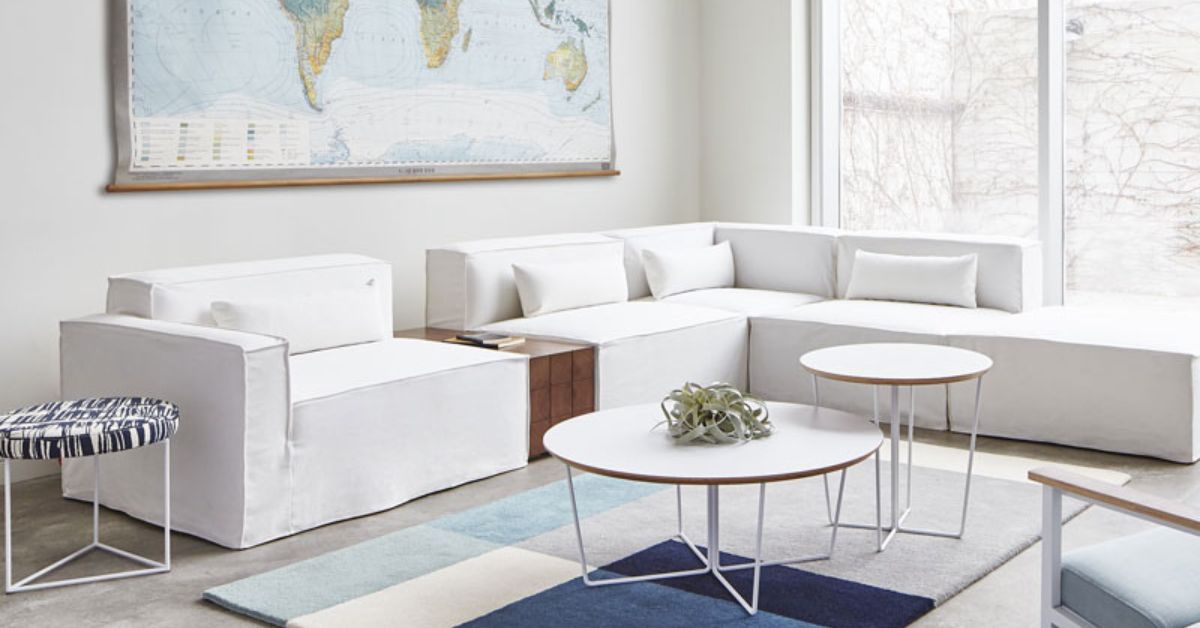
As a decision-maker for a public sector organization, you understand the importance of making responsible choices that benefit the community and the environment. This responsibility extends to every aspect of your operations, including how you furnish public spaces. Opting for sustainable furniture is a strategic move that enhances your brand image, improves public well-being, and often leads to long-term cost savings. Making sustainable furniture choices for public sector projects is an investment in a healthier, more resilient future for everyone.


Beyond Ethics: The Strategic Value of Sustainable Furniture


The furniture in public buildings, from city halls and libraries to schools and healthcare facilities, withstands constant use. It must be durable, functional, and safe. Integrating sustainability into these requirements adds another layer of value. Sustainable furniture minimizes environmental impact by using renewable resources, reducing waste, and avoiding harmful chemicals. This approach supports a circular economy, where materials are reused and recycled, rather than discarded.


Furthermore, choosing sustainable options sends a powerful message to your community. It demonstrates a commitment to environmental stewardship and public health. In Southern California, environmental consciousness is a significant part of the culture. Executives and managers who make these choices elevate their organization’s reputation. Let’s explore how you can make informed, sustainable furniture selections that align with your budget, aesthetic goals, and public service mission.


Why Prioritize Sustainability in Public Furniture?


Prioritizing sustainability in public sector furniture procurement creates a ripple effect of positive outcomes. As a public entity, your purchasing decisions carry weight and can influence market trends, encouraging more manufacturers to adopt eco-friendly practices. Beyond market influence, the direct benefits to your organization and the communities you serve are substantial.


Durability and Lifespan


First, sustainable furniture often boasts superior durability and a longer lifespan. Materials such as reclaimed wood, recycled steel, and high-quality, responsibly sourced textiles are built to last. This reduces the need for frequent replacements, saving taxpayer money over the long term. Instead of viewing furniture as a disposable asset, you can treat it as a long-term investment in your community’s infrastructure.


Second, focusing on sustainability improves indoor air quality. Many conventional furniture items release volatile organic compounds (VOCs) from glues, finishes, and synthetic materials. These emissions can contribute to health problems, including headaches and respiratory issues. By selecting low-VOC or zero-VOC furniture, you create healthier, more comfortable environments for your employees and the public. This is crucial in spaces such as schools and healthcare facilities, where vulnerable populations spend significant time.


Finally, sustainability aligns with the core values of public service. It reflects a commitment to protecting natural resources and promoting the well-being of future generations. When your organization makes sustainable furniture choices for public sector projects, it reinforces public trust and demonstrates responsible governance.


Sustainable Furniture Choices for Public Sector Projects

Key Materials in Sustainable Furniture


Selecting the right materials is the cornerstone of sustainable furniture procurement. You need to know what to look for to ensure your choices are eco-friendly. Below are some of the top materials to prioritize.


Reclaimed and FSC-Certified Wood


Wood is a timeless material, but its source matters. Reclaimed wood, salvaged from old buildings or structures, gives a second life to valuable resources and prevents them from ending up in landfills. When using new wood, look for Forest Stewardship Council (FSC) certification. This label guarantees the wood comes from forests that are managed responsibly to protect biodiversity and support local communities.


Recycled Metal


Metals such as steel and aluminum are highly durable and can be recycled repeatedly without losing their structural integrity. Choosing furniture made from recycled metal reduces the energy and environmental damage associated with mining and processing virgin ore.


Bamboo


Bamboo is one of the fastest-growing plants on Earth, making it a highly renewable resource. It is strong and lightweight and has a modern aesthetic, so it is an excellent choice for a variety of furniture applications.


Recycled Plastics


Innovative manufacturers are transforming plastic waste into durable and stylish furniture. This diverts plastic from oceans and landfills while creating long-lasting products suitable for both indoor and outdoor public spaces.


Natural and Recycled-Content Fabrics


Opt for textiles made from natural fibers such as organic cotton, wool, or linen for upholstered fabrics. These materials are biodegradable and free from the synthetic chemicals found in many conventional fabrics. You can also find high-performance fabrics made from recycled content, such as polyester derived from plastic bottles.


Certifications To Look For


Navigating the world of sustainable products can be complex. Third-party certifications help you verify a product’s environmental claims and make confident purchasing decisions. When evaluating furniture, look for these reputable labels.


GREENGUARD certification signals that a product has met some of the world’s most rigorous standards for low VOC emissions. This is a critical certification for ensuring healthy indoor air quality. Another important label is the Cradle to Cradle (C2C) certification, which assesses a product’s safety for humans and the environment, as well as its design for future life cycles. C2C-certified products are evaluated across material health, material reutilization, renewable energy, water stewardship, and social fairness.


Other relevant certifications include BIFMA LEVEL, which evaluates the environmental and social impacts of a furniture product across its entire life cycle, and SCS Indoor Advantage, which also focuses on indoor air quality. Familiarizing yourself with these standards will empower you to select furniture that meets your sustainability goals. Contract furniture services can provide tailored guidance to help your organization source products that meet stringent certifications and fit your design and budget needs.


Sustainable Furniture Choices for Public Sector Projects

Designing for Longevity and Adaptability


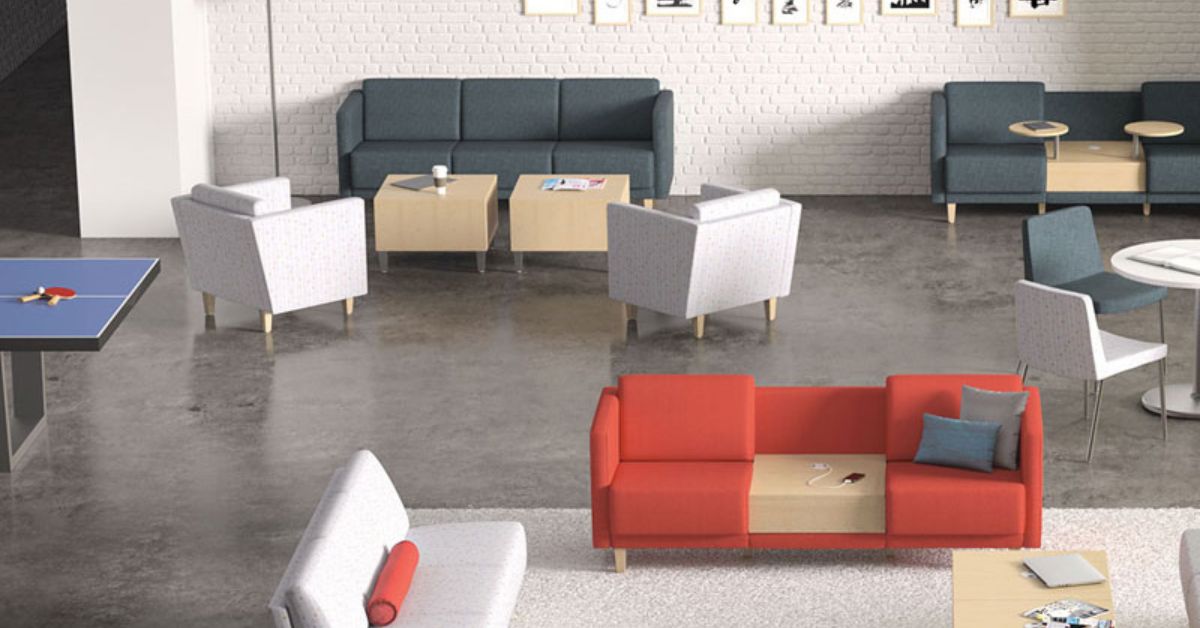
Sustainable design is not just about materials; it’s also about creating spaces that can evolve. In the public sector, needs change over time. A library today might need more collaborative zones tomorrow, while an office might need to reconfigure its layout to accommodate new teams. Adaptable modular furniture is a key component of a sustainable strategy.


You can easily rearrange, expand, or update modular furniture without a complete overhaul. This flexibility extends the life of your furniture assets and reduces waste. Look for systems with interchangeable components and timeless designs that won’t appear dated in a few years.


Investing in high-quality, durable pieces also contributes to longevity. While the initial cost may be higher, furniture built to withstand heavy public use will last longer and require fewer repairs. This reduces long-term operational costs and minimizes the environmental footprint associated with manufacturing and disposing of replacement items.


Let’s Build a Sustainable Future


Adopting a sustainable approach to furnishing public spaces is a powerful way to demonstrate leadership and commitment to your community’s well-being. By prioritizing eco-friendly materials, looking for credible certifications, and designing for longevity, you can create public environments that are beautiful, functional, and responsible.


If you are ready to transform your public spaces with innovative and sustainable office solutions, our team is here to help. We specialize in providing custom, ergonomic, and sustainable furniture that enhances employee well-being, productivity, and your organization’s brand image.


Contact bluespace interiors today to schedule a consultation, and learn how we can help you make the best sustainable furniture choices for your next project.