You stand at the crossroads of a significant decision. Your school needs new furniture, and the budget meetings have begun. As you review catalogs and compare prices, one question keeps surfacing: Is ergonomics important for student desks and chairs, or is it just another marketing buzzword designed to inflate costs?
The answer might surprise you. When you invest in ergonomically designed furniture, you're investing in student success, health, and academic achievement. Let's explore why ergonomics deserves serious consideration in your school’s furniture selection process.
More Comfortable Classrooms
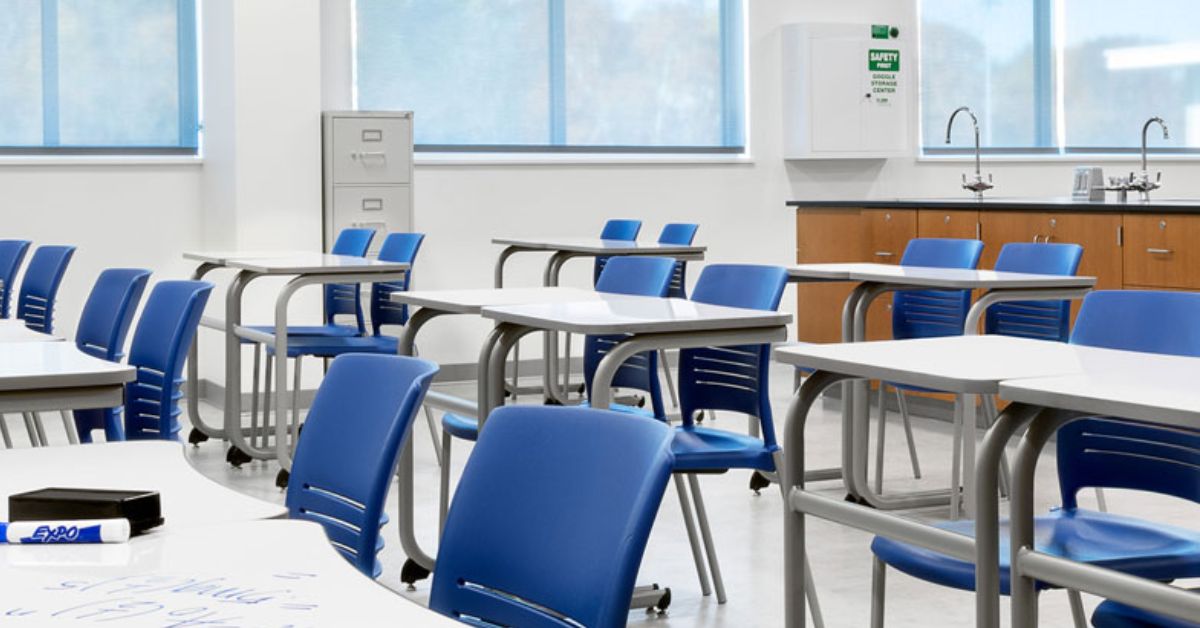
Customizable desks ensure proper posture and reduce strain for students of all sizes, promoting long-term physical health. Contoured chairs with lumbar support help maintain natural spinal curves, preventing back pain and discomfort.
In contrast, fixed desks and rigid plastic chairs often lead to poor posture, increased fidgeting, and fatigue. Over time, this can affect focus and overall engagement in the classroom. By investing in ergonomic furniture, schools can create a supportive space where students feel comfortable, stay focused longer, and thrive academically.
Creating an Inclusive Environment
Every classroom serves students with diverse physical needs. Some students are tall for their age, while others are shorter. Some may have physical disabilities or conditions that affect their posture and comfort. Standard, one-size-fits-all furniture fails to accommodate this diversity.
Adjustable features allow each student to customize their workspace to match their physical requirements. This customization ensures that you don’t leave any students at a disadvantage with furniture that doesn't fit their body type or needs.
There is also a great psychological impact from inclusive furniture. When students see that you’ve considered and accommodated their physical needs, they feel valued and supported. This sense of belonging translates into increased confidence and willingness to participate in classroom activities.
Effect on Physical Development of Youth
Students spend approximately six hours daily sitting in school furniture. During these formative years, their bodies undergo rapid growth and development. The furniture they use during this critical period can significantly impact their physical health and development patterns.
Poor posture habits formed during school years often persist into adulthood. Students who consistently slouch in inadequately designed chairs or strain to reach poorly positioned desks develop muscle imbalances and postural problems that can cause lifelong discomfort and health issues.
Ergonomic furniture supports proper spinal alignment and encourages healthy posture habits. When students sit in chairs that support their natural curves and work at desks positioned at appropriate heights, they develop stronger core muscles and better postural awareness.
The long-term health implications are substantial. Students who learn proper posture habits early are less likely to experience back pain, neck strain, and other musculoskeletal problems later in life. You're not just furnishing classrooms; you're contributing to your students' lifelong health and well-being.
Better Student Concentration
Students struggle to focus when they’re constantly shifting positions or dealing with discomfort caused by poorly designed furniture. Physical discomfort becomes a distraction, pulling attention away from learning activities and reducing productivity in the classroom.
When students sit comfortably with proper support, they can fully engage in their studies. Ergonomic chairs with adjustable features provide the right posture support, reducing strain on their backs, necks, and shoulders. This helps prevent fidgeting and allows students to stay still and focused for longer periods.
Desk height is another critical factor in maintaining concentration. Desks that are too high force students to strain their arms and shoulders, while desks that are too low can cause them to hunch over, leading to discomfort and fatigue. Ergonomic desks, designed to be height-adjustable, allow students to work in natural, relaxed positions.
Easier Classroom Management
Properly designed desks and chairs can make a huge difference in classroom dynamics. When students sit in ergonomic furniture, they feel more comfortable and are less likely to shift around or complain about discomfort. This means fewer interruptions during lessons, allowing the entire class to stay on track and maintain focus on the lesson.
By investing in furniture that supports physical comfort, you can create a more organized and productive environment for teachers and students.
Reduced Fatigue While Learning
Students who struggle with uncomfortable furniture expend energy maintaining uncomfortable positions rather than focusing on academic tasks. This energy drain compounds throughout the school day, leaving students exhausted and less capable of absorbing new information.
Proper support from ergonomic furniture reduces muscle tension, improves circulation, and minimizes the energy required to maintain good posture. Students arrive at each class period feeling more refreshed and ready to engage with new material.
Teachers observe that students remain more alert and engaged during afternoon classes when using ergonomic furniture. The traditional post-lunch energy dip becomes less pronounced, allowing for more productive learning time throughout the entire school day.
The cumulative effect of reduced fatigue extends beyond individual class periods. Students who use ergonomic furniture throughout the day report feeling less tired at the end of school and more energetic for after-school activities and homework. This improved energy level supports better overall academic performance and student well-being.
Improved Classroom Participation
Comfortable students are confident students. When you eliminate physical discomfort, students are more willing to raise their hands, contribute to discussions, and engage in collaborative activities.
Students with physical challenges particularly benefit from ergonomic furniture's inclusive design. Adjustable chairs and desks ensure all students, regardless of their needs, can participate comfortably alongside their peers. This fosters a sense of belonging and encourages collaboration among all students. When everyone can engage equally, the classroom dynamic becomes more positive, supportive, and interactive.
Lower Long-Term Costs
Financial considerations are another element behind the importance of ergonomics for student desks and chairs. Parents are less likely to request additional classroom furniture, such as cushions or supports, when students feel comfortable.
Additionally, durable, well-designed ergonomic furniture can last a long time, reducing the need for frequent replacements. Investing in quality furniture now can save schools significant costs over time, as it avoids the cycle of repeatedly repairing or replacing worn-out desks and chairs.
Transform Your Learning Environment Today
Your students deserve an environment that supports their physical development, enhances their learning capacity, and prepares them for lifelong success.
At bluespace interiors, we understand the unique challenges you face in selecting commercial school furniture that meets both budgetary constraints and educational needs. Contact our team today to explore ergonomic furniture solutions that will transform your classrooms into spaces where every student can thrive, learn, and succeed.